


 Deutsch
 English
 Español
 Français
 Nederlands
 Português


 Share
Share




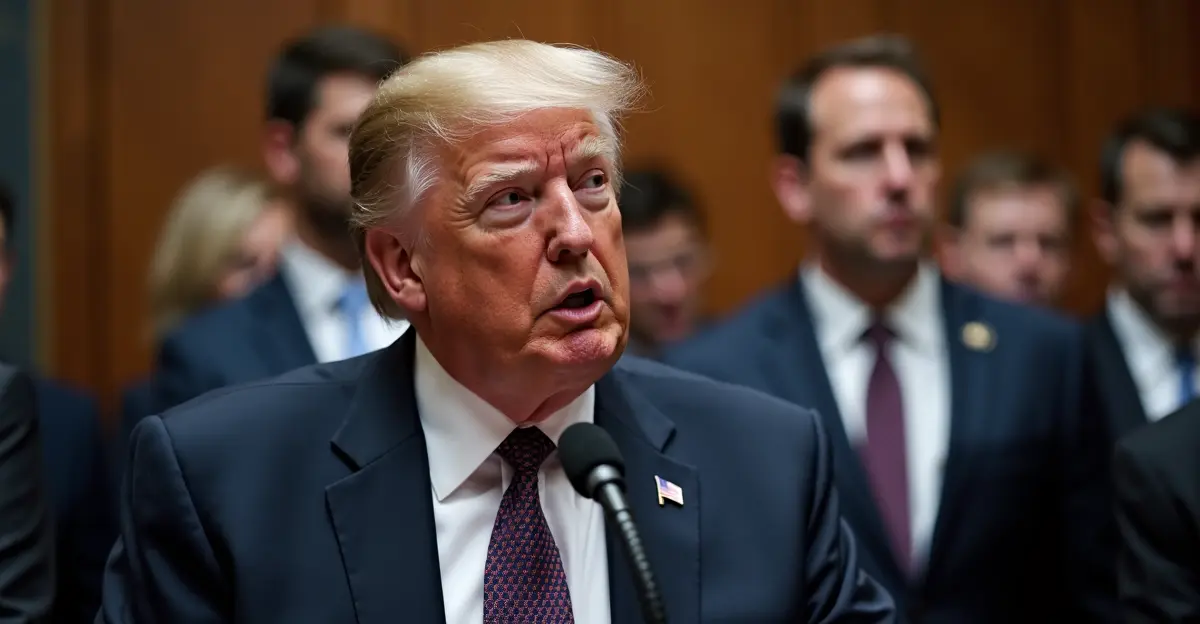
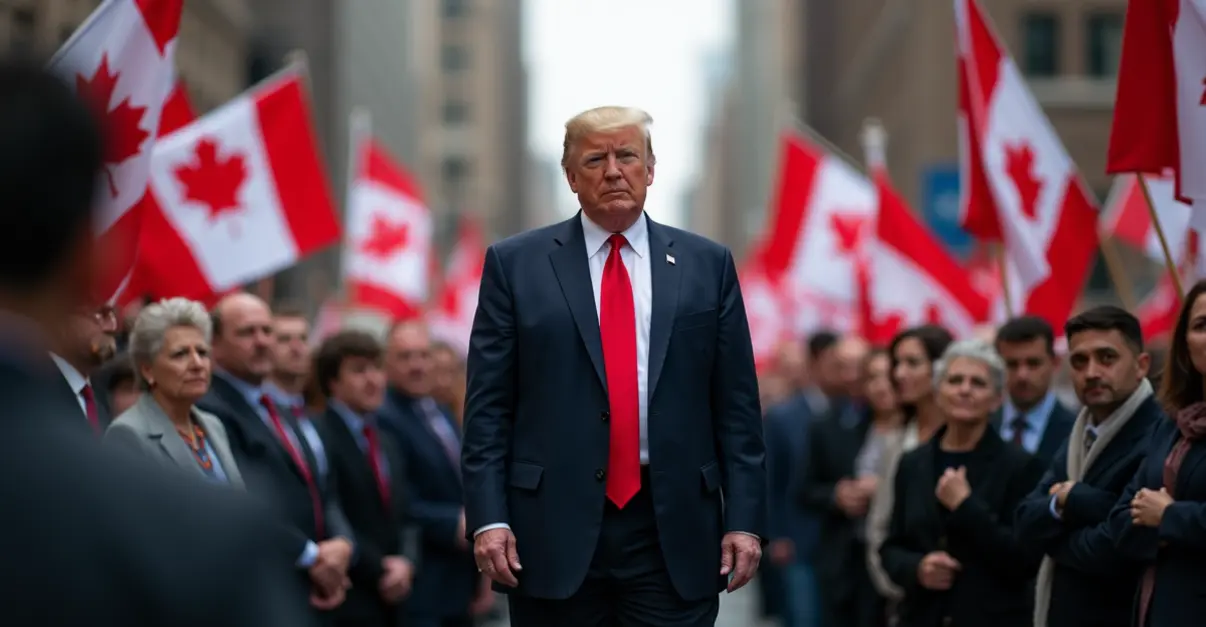
President Donald Trump postponed 50% tariffs on Canadian imports late Tuesday, August 18, 2026, pausing duties on roughly $20 billion in goods just before they were set to take effect at midnight. The three-day delay, which runs until end of day August 21, came after Trump announced on Truth Social that the U.S. and Canada have reached a deal, subject to finalization of documents. The move spares dairy, alcohol, furniture, and other Canadian products from immediate levies under a rarely invoked 1930 trade law.
What Are the Trump Canada Tariffs?
The threatened tariffs fall under Section 338 of the Tariff Act of 1930, a provision that allows the president to impose duties up to 50% on countries deemed to discriminate against American trade. Trump accused Canada of unfair practices in motor vehicles, alcohol, and dairy, targeting about 5% of all U.S. imports from its northern neighbor. The list included hockey sticks, wine, and furniture, with no exemptions under the United States-Mexico-Canada Agreement (USMCA).
Tariff Scope: What Was at Stake
| Product Category | Examples | Estimated Annual Imports |
|---|---|---|
| Dairy | Cheese, butter, yogurt | $4.2 billion |
| Alcohol | Wine, spirits, beer | $3.1 billion |
| Furniture & Wood | Home furnishings, lumber products | $6.5 billion |
| Sporting Goods | Hockey sticks, equipment | $1.8 billion |
| Other Goods | Various consumer products | $4.4 billion |
Business groups on both sides warned the 50% tariff would make products uneconomic. The US-Canada cross-border trade relationship supports millions of jobs, and Canadian small businesses said the duties would 'grind U.S. sales to a halt.'
Why Did Trump Delay the Tariffs?
Trump's announcement came two hours before the deadline. In a Truth Social post, he wrote that the pause was 'based on the fact that Canada and the U.S.A., subject to the finalization of documents, have a DEAL!' He also hinted that the Keystone XL pipeline could be revived, saying it 'may be awoken from the grave.' Canadian Prime Minister Mark Carney confirmed the postponement, noting that talks had made 'substantial progress' but that important issues remain. The Carney Trump tariff negotiations are expected to continue through the three-day window.
Impact on US-Canada Trade and the Economy
The U.S. Chamber of Commerce had warned the tariffs would damage both economies and risk 13 million American jobs. Canada is the largest export market for 34 U.S. states, and 50% duties would have disrupted supply chains in autos, agriculture, and manufacturing. The delay avoids immediate price increases for American consumers on dairy and furniture, but uncertainty remains. Analysts note that the economic impact of US tariffs could still materialize if a final deal collapses.
What Happens Next?
The next 72 hours are critical. Trump and Carney must finalize documents addressing Canadian trade discrimination claims, and both sides will decide whether to revive the Keystone XL pipeline, whose permits were revoked in 2021. The Supreme Court already set a precedent in February 2026, ruling 6-3 that Trump exceeded his authority by using an emergency law to justify earlier tariffs. That decision forced the administration to pivot to Section 338. If the deal falls through, Trump could reimpose the 50% duties on August 21. The future of US Canada trade policy hangs in the balance.
FAQ: Trump Canada Tariff Delay
How long is the Trump Canada tariff delay?
Three days, from August 18 to end of day August 21, 2026.
What is Section 338 of the Tariff Act of 1930?
A rarely used law allowing the president to impose tariffs up to 50% on countries deemed to discriminate against U.S. trade.
How much Canadian goods were affected by the 50% tariff?
Roughly $20 billion in annual imports, including dairy, alcohol, furniture, and hockey sticks.
Will the Keystone XL pipeline be revived?
Trump said it 'may be awoken from the grave,' but final approval depends on ongoing negotiations and regulatory hurdles.
What happens if the US-Canada deal fails?
Trump could reimpose the 50% tariffs on August 21, risking higher prices and job losses in both countries.



Follow Discussion